
Atmosphere Ducts and Indoor Air Quality: What’s Circulating in Your own Home?
When we believe about the cleanliness of our homes, we all often give attention to obvious surfaces like floor surfaces, countertops, and restrooms. But have an individual ever thought regarding what’s hiding powering the walls—specifically, inside your air system? These hidden path ways play a crucial part in maintaining interior comfort, yet they’re also a potential supply of pollutants. Knowing the relationship involving air ducts plus indoor air quality (IAQ) is essential for ensuring a healthier living environment.
What Are Air Ducts and Why Are That they Important?
Air ducts are a network of tubes inside your walls, ceilings, plus floors that provide and remove atmosphere as part associated with your heating, venting, and air health and fitness (HVAC) system. These ducts ensure that will the air inside your home is continuously cycled, keeping a consistent heat and improving overall air circulation.
With no properly functioning air ducts, even typically the most advanced HVAC system would become rendered ineffective. They’re crucial not only for comfort yet also for disbursing climate throughout the particular home.
The Invisible Problem: What’s Hiding Inside Your Air Ducts?
Over period, air ducts can easily become a water tank for various air-borne pollutants, allergens, and even contaminants. Below are a few involving the most typical pollutants that may possibly be circulating in your home through dirty atmosphere ducts:
1. Dust particles and Dirt
During the cleanest properties, dust particles accumulate quickly. When the HVAC system functions, it pulls inside dust that settles inside the system. This dust then can be redistributed throughout your current home, contributing in order to allergy symptoms plus respiratory issues.
two. Pet Dander
For those who have pets, their hair and skin flakes (dander) are most certainly present in your current air ducts. These types of allergens can bring about reactions in sensitive individuals and get worse asthma symptoms.
a few. Pollen
Pollen enters your house through open windows, doors, in addition to on clothing. Once inside, it could settle in the air ducts and continue to circulate despite pollen time of year is finished.
4. Mildew and Mildew
Humidity inside air ducts—caused by condensation or perhaps leaks—can lead to be able to mildew and mold growth. These fungi release spores into the air, which in turn are dangerous whenever inhaled and can cause severe difficult.
five. Bacteria and Infections
Poorly maintained air ducts can likewise harbor bacteria and viruses, raising the risk of illness among house members, especially during cold and flu virus seasons.
6. Pests and Rats
Found in some cases, pests like insects or rodents may enter in the ductwork. Their very own droppings, fur, and remains can ruin the air and even pose serious health problems.
check here Between Air Ducts plus Indoor Air Good quality
Indoor quality of air refers to the atmosphere quality within and around buildings in addition to structures, especially because it relates to the health and comfort and ease of occupants. Based to the Epa (EPA), indoor air flow can be a couple of to 5 times even more polluted than backyard air.
When impurities increase in your air ducts, each time the HEATING AND AIR CONDITIONING system turns about, it blows individuals pollutants throughout the home. Poor IAQ can lead to be able to a number of health problems, such as:
Head aches
Fatigue
Dizziness
Allergic attacks
Respiratory infections
Deterioration of asthma as well as other chronic conditions
Hence, your air ductwork can either assistance a clean, breathable indoor environment or perhaps exacerbate health problems—depending on the condition.
Exactly how Often Should Air Ducts Be Cleaned?
There’s no basic answer, however the Nationwide Air Duct Cleaners Association (NADCA) recommends cleaning your surroundings ducts every a few to 5 years. However, certain circumstances may require more recurrent cleaning:
You have pets that shed heavily.
There is latest renovation or construction.
Someone in the home suffers from severe allergies or respiratory issues.
You notice visible mold or a musty odor coming from grills.
You observe a great unusually high quantity of dust in the home.
Regular cleanup ensures that pollutants are removed ahead of they can affect your quality of life.
Signs Your own Air Ducts May well Need Focus
It’s not always an easy task to know when your own ducts need cleanup, but here are usually some telltale signs:
Unexplained Dust: If you clean frequently but still notice dust accumulation, it might turn out to be blowing from your mine.
Uneven Airflow: Several rooms may think stuffier or chillier than others credited to blockages or perhaps leaks.
Allergy Flare-ups: Increased coughing, sneezing, or asthma signs and symptoms may indicate toxified indoor air.
Visible Mold: If a person see mold within or around ports, there may always be hidden growth within the ducts.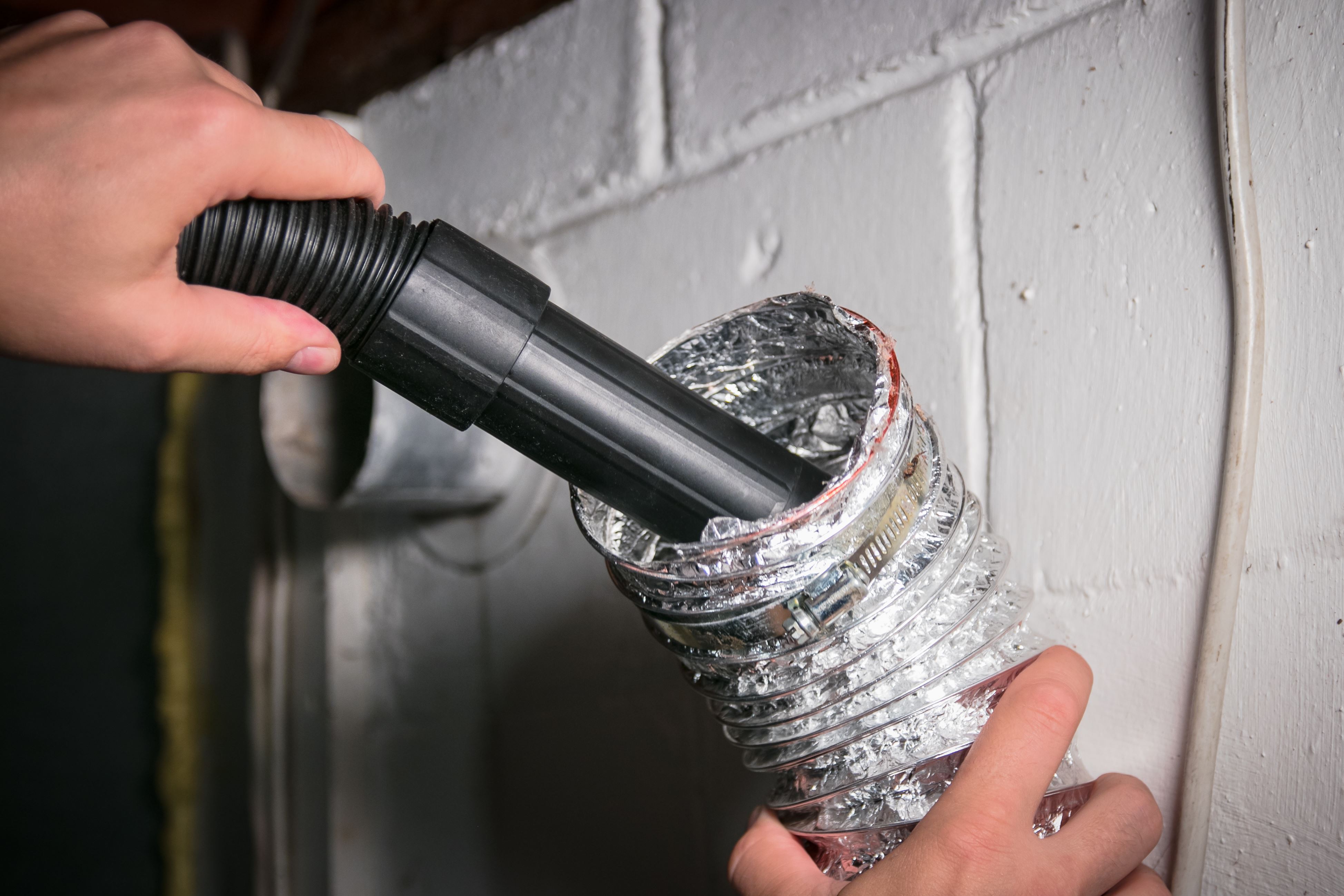
Insect pest or Rodent Harmful attacks: Droppings or unusual noises may recommend pests inside the particular ducts.
Professional Duct Cleaning: What to be able to Expect
Hiring a reputable HVAC or even duct cleaning assistance ensures a thorough job. Here’s just what the process usually involves:
Inspection – Technicians inspect the whole duct system, looking at for blockages, leaks, or mold.
Vacuum-cleaning – A effective vacuum is used to remove particles from ducts without having contaminating the atmosphere inside the home.
Brushing – Special resources dislodge dirt trapped to duct walls.
Sanitization – In some cases, a secure disinfectant is placed on eliminate bacteria or even mold.
Sealing – Any cracks or perhaps leaks found along the way are sealed to boost air flow and efficiency.
DO IT YOURSELF vs. Professional Cleaning
While some house owners attempt to thoroughly clean vents themselves, specialized duct cleaning is usually more effective for a number of reasons:
Access in order to specialized tools: Specialists use high-powered vacuums and rotary brushes.
Expertise: Technicians will be conditioned to identify problems that the average house owner might miss.
Basic safety: DIY attempts might stir up dust and spread pollutants if not carried out correctly.
If you’re determined to try out it yourself, target on visible regions like vent barrière and change filters regularly, but leave deeper cleaning to be able to the pros.
Additional Ways to Increase Indoor Air Quality
Besides duct cleansing, here are further steps to increase IAQ:
1. Transform HVAC Filters On a regular basis
Dirty filters may no longer trap pollutants effectively. Alter them every 1-3 months, depending in usage.
2. Employ Air Purifiers
HEPA weather purifiers help eliminate microscopic pollutants, specially useful in bedrooms or living areas.
3. Maintain Suitable Dampness
Keep interior humidity between 30% and 50% in order to prevent mold growth and improve convenience.
4. Ventilate Your own Home
Use deplete fans, open glass windows, and consider installing an energy recovery ventilator (ERV) to provide in fresh air.
5. Control Sources of Air pollution
Steer clear of smoking indoors, employ non-toxic cleaning items, and minimize make use of of synthetic air flow fresheners.
The Power Efficiency Connection
Clean up ducts don’t just mean cleaner air—they also contribute to energy efficiency. Whenever ducts are back logged, your HVAC system works harder, consuming more energy and raising utility bills. Thoroughly clean ducts allow air to flow readily, improving system efficiency and reducing energy costs.
Conclusions: Breathe in Easier
Indoor air quality isn’t just about comfort—it’s about well being. Your air ductwork are out of sight, but they should never be out of mind. Standard inspection and washing of your duct work is a little investment that will pay off in more refined air, better health and fitness, and more useful HVAC performance.
In case you’ve never experienced your ducts inspected or cleaned, now is the time. What’s circulating in your home could be influencing your family more than you recognize. A proactive approach today can make sure a healthier, safer home environment with regard to years to come.
Leave a Reply
Want to join the discussion?Feel free to contribute!