
The Hidden Dangers regarding Dirty Air Ducts: What Canadian Property owners Should Know
When seemed to be the last time you thought about the environment ducts throughout your home? For some Canadian homeowners, air ducts are well hidden and out involving mind—until something moves wrong. However, these types of unseen pathways perform a crucial part in your home’s comfort, energy productivity, and, more importantly, your health. Over time, dust, allergens, mildew, and even pests can accumulate in your air ducts, quietly compromising indoor surroundings quality and raising health risks.
This article dives serious into the hidden dangers of dirty air ducts, exactly how they affect Canadian households, and exactly what a person can do to be able to protect your household plus your home.
a single. Understanding Air Ducts and Their Function
Air ducts will be the circulatory program of your HEATING AND COOLING (heating, ventilation, and air conditioning) technique. They transport warmed up or cooled air throughout your home, ensuring consistent temperature and air flow. In Canada, exactly where seasonal extremes are usually common—from frigid winters to sweltering summers—your HVAC system works overtime, making clean up ducts more essential than ever before.
2. Normal Contaminants Found inside Dirty System
Many contaminants accumulate found in air ducts over time. These incorporate:
Dust and Dust: Everyday dust through skin cells, family pet dander, and textile fibers can resolve in ducts.
Mould and Mildew: Wetness from condensation or perhaps leaks can guide to mold progress inside ducts.
Pollen and Allergens: Specially during Canadian spring and summer season, airborne allergens will find their particular way with your ductwork.
Insects and Rats: Small pests generally nest in or travel through ductwork, leaving droppings, fur, and bacteria behind.
Construction Residue: Makeovers or new creates can leave drywall dust, sawdust, and even insulation particles within the ducts.
3. Health Risks Associated with Dirty Air Ducts
The biggest concern regarding homeowners will be the impact of dirty air flow ducts on inside air quality in addition to health. Some of the most severe risks include:
a) Respiratory Issues
Particles, mold spores, plus allergens circulating via your HVAC program can exacerbate bronchial asthma, bronchitis, and also other breathing conditions. Children, typically the elderly, and those with compromised proof systems are specifically vulnerable.
b) Allergic Reactions
Pollen, animal dander, and mold in the ducts can trigger sneezing, watery eyes, nose congestion, and skin irritation. These reactions could be mistaken for seasonal allergies, actually in the deceased of a Canadian winter.
c) Mold-Related Illnesses
Inhaling mold spores over period may cause chronic severe headaches, fatigue, coughing, in addition to even neurological symptoms. In severe instances, toxic black mould (Stachybotrys chartarum) could develop, posing a tremendous health hazard.
d) Aggravation of Pre-existing Problems
For individuals with autoimmune illnesses or chronic health problems, exposure to air-borne contaminants from soiled ducts can get worse symptoms and wait recovery from other medical issues.
4. Effect on Home Productivity and Comfort
Past health concerns, dirty air ducts can hinder your HEATING AND COOLING system’s performance, resulting in:
a) Reduced Airflow
A buildup involving debris can prohibit airflow, causing many rooms to always be too cold in winter or too warm in summer. Unequal heating or air conditioning can make your home uncomfortable plus inefficient.
b) Increased Energy Bills
If the system has to be able to work harder to be able to maintain a set temp, it consumes more energy. For Canadian homeowners already dealing with high utility fees, this can mount up quickly.
c) HVAC System Wear plus Tear
Contaminants inside ducts can get directly into other parts from the HVAC system, such as blower motor in addition to heat exchanger. This may lead to premature breakdowns and high priced repairs.
5. this website That Your Air System Need Cleaning
Numerous homeowners aren’t aware of duct problems until problems escalate. Here are caution signs to observe for:
Visible dust or mold near vents
Musty or stale odours when HEATING AND AIR CONDITIONING is operating
Unusual allergy symptoms or perhaps respiratory issues
Strange noises in typically the ductwork
Inconsistent temperature across rooms
Recent renovations or infestation contaminations
If an individual notice any associated with these signs, it’s time to plan a duct evaluation or cleaning.
six. Canadian Climate: A particular Concern
Canada’s very long winters mean properties remain closed for extended periods, limiting all-natural air exchange. This specific increases the likelihood of indoor air flow pollution and makes duct cleanliness in fact more vital.
Furthermore, with Canadians frequently using both heating system and air conditioning systems all year round, dust and debris move more frequently. Inside regions with high humidity, such as the coasts, mildew growth is a good increased concern.
8. How Often Should Air Ducts Be Cleaned?
The National Air flow Duct Cleaners Organization (NADCA) recommends cleansing air ducts every 3 to 5 years, nevertheless certain factors can shorten this fb timeline:
Pets in the home
Smokers inside the household
Allergy or perhaps asthma sufferers
Current renovations
Living inside of a high-pollen or dusty area
In Canada, many HVAC professionals suggest a great annual inspection and even cleaning every 2–3 years for maximum health and performance.
8. Professional Duct Cleaning: What to Expect
A reliable duct cleaning services canada typically involves:
Inspection with video cameras to evaluate the situation
Use of attention-grabbing vacuums and tooth brushes
Cleaning of registers, vents, and HEATING AND AIR CONDITIONING components
Mold remediation or deodorization if required
Final report repairs and maintanance tips
Prices fluctuate depending on typically the size of your home, accessibility, and the complexity of typically the HVAC system, nevertheless the investment will be well worth the peace of brain and health rewards.
9. DIY Maintenance Between Cleanings
Whilst professional cleaning is essential, homeowners could also take small steps to maintain clean ducts:
Change HVAC filters regularly (every 1–3 months)
Keep vents and registers dust-free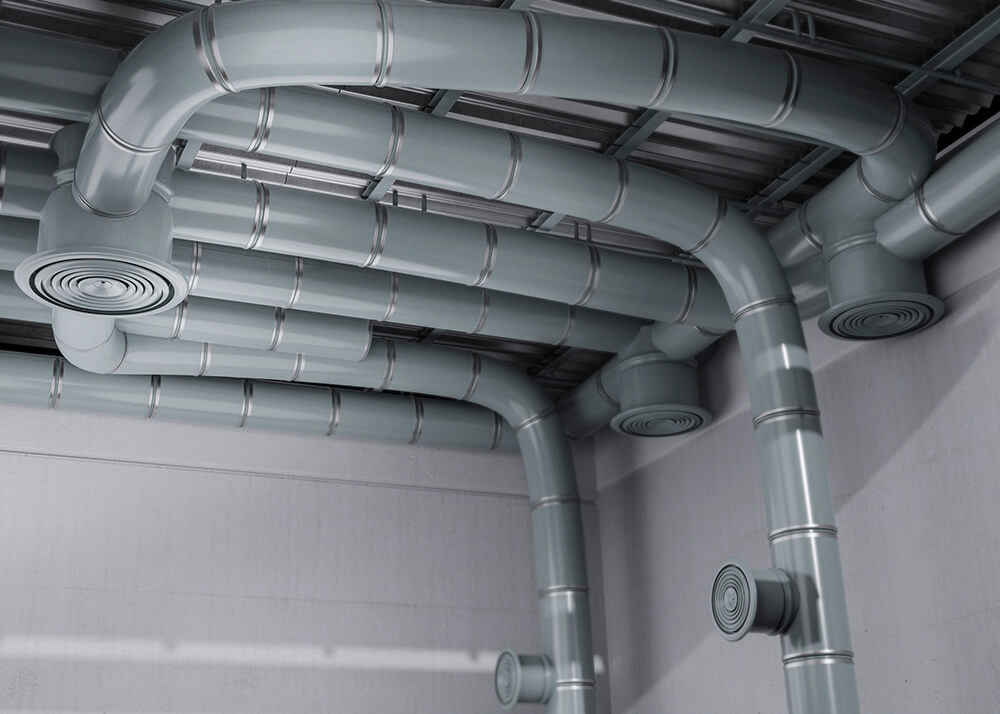
Use a high-efficiency air cleaner
Ensure correct insulation to reduce moisture
Seal virtually any duct leaks in order to prevent contaminants by entering
10. Polices and Certifications in Canada
Always choose some sort of certified professional intended for duct cleaning. Appear for:
Membership inside of NADCA or HRAI (Heating, Refrigeration and Air Conditioning Company of Canada)
Experts certified under TSSA (Technical Standards plus Safety Authority)
Sturdy customer reviews and even transparent pricing
Prevent companies offering “too-good-to-be-true” deals or study tactics about form without proof. Hoaxes are unfortunately standard in the HVAC cleaning industry.
Bottom line
Dirty air ductwork are a hidden nevertheless serious issue that can affect your own home’s air quality, the family’s health, and your HVAC system’s efficiency. For Canadian homeowners, especially those in colder areas with firm sealed seasons, staying proactive about duct maintenance is definitely not just a luxury—it’s a need.
Buying professional duct cleaning and routine maintenance can guide to cleaner surroundings, lower energy bills, and a healthier residing environment. So typically the next time you think about home maintenance, don’t forget what’s powering the walls—the atmosphere your family breathes will depend on it.
Leave a Reply
Want to join the discussion?Feel free to contribute!